
In the modern world, economic prosperity and societal progress are deeply tied to gender inclusivity. Women entrepreneurs play a crucial role in fostering economic growth, driving innovation, and bringing social change. Countries that encourage women in business experience increased GDP, reduced poverty, and improved overall development. Let’s explore why women entrepreneurs are essential for a country’s growth, along with real-world examples of their impact.

1. Boosting Economic Growth
When women participate in entrepreneurship, they contribute significantly to the economy by creating jobs, generating revenue, and fostering industry innovation. According to the World Economic Forum, gender parity in economic participation could add trillions to the global GDP.
For instance, in the United States, women-owned businesses contribute nearly $1.8 trillion annually to the economy, employing millions of people. In India, women-led enterprises are growing at an annual rate of 18%, playing a vital role in financial inclusion and rural development.

2. Enhancing Innovation and Diversity
Women entrepreneurs bring fresh perspectives and creative solutions to various industries. Their diverse experiences often lead to innovations that cater to underserved markets. Studies show that companies with gender-diverse leadership perform better in profitability and productivity.
A great example is Whitney Wolfe Herd, the founder of Bumble, a women-centric dating app that revolutionized the online dating industry by prioritizing women’s choice. Her vision has not only disrupted traditional matchmaking but also inspired many female tech entrepreneurs.
3. Reducing Poverty and Empowering Families
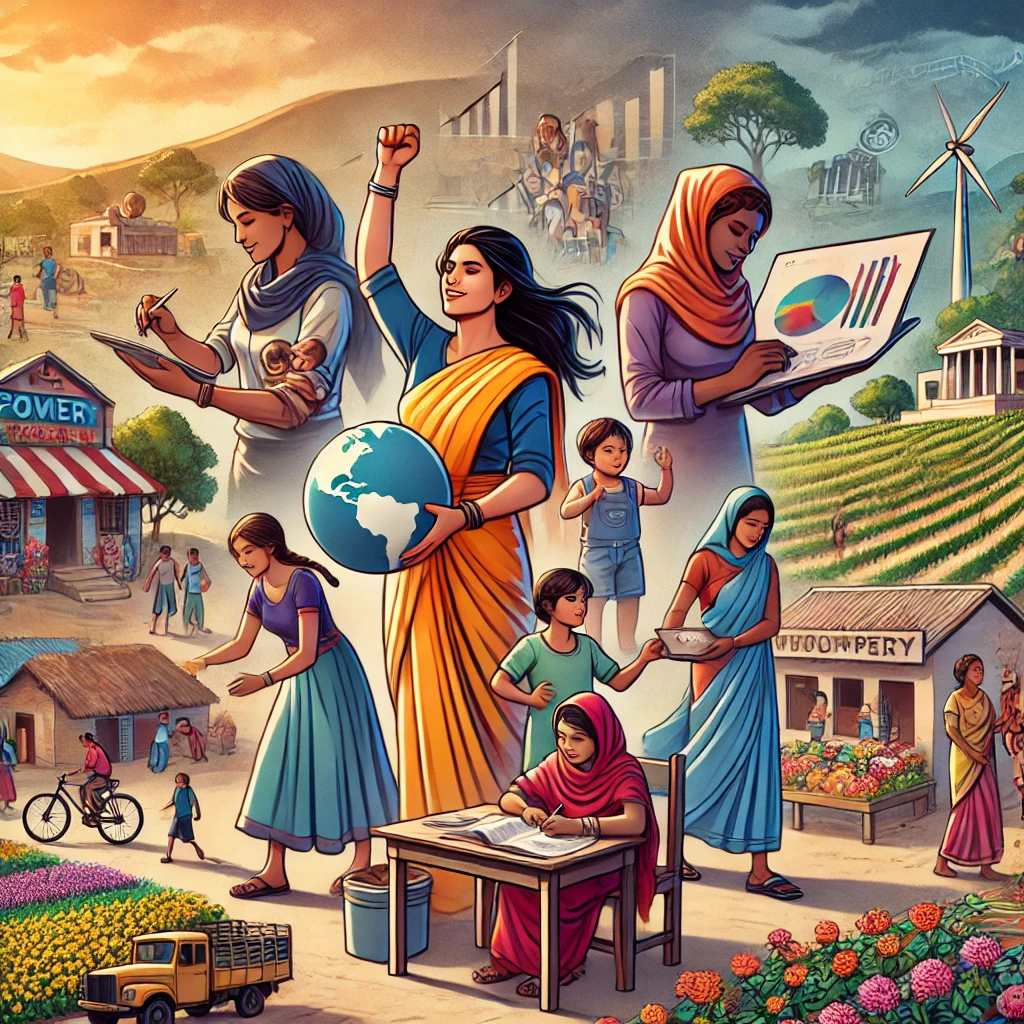
When women succeed in business, they uplift entire communities. Women reinvest a significant portion of their income into their families, improving education, healthcare, and living standards.
Take the case of Grameen Bank in Bangladesh, which provides microloans to women entrepreneurs. The initiative, led by Nobel Laureate Muhammad Yunus, has empowered millions of women, enabling them to establish businesses, become financially independent, and break the cycle of poverty.
4. Encouraging Gender Equality
Women in leadership roles challenge traditional gender norms and pave the way for more inclusive work environments. When young girls see successful women entrepreneurs, they are inspired to pursue their ambitions without fear of societal constraints.
Sara Blakely, the founder of Spanx, started her business with minimal investment and built it into a billion-dollar empire. Today, she mentors aspiring female entrepreneurs and actively supports initiatives that promote women in business.
5. Strengthening Social and Environmental Responsibility
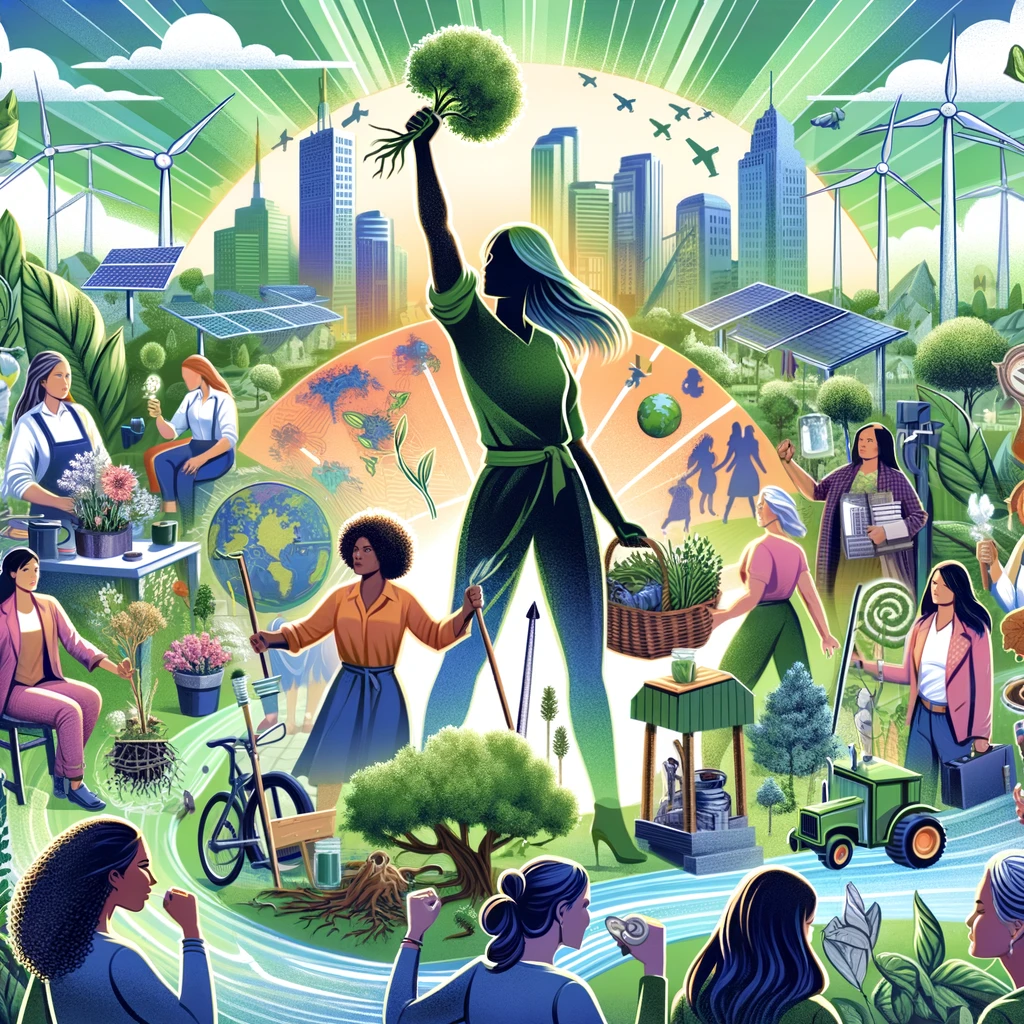
Many women entrepreneurs focus on businesses that address social and environmental issues, including sustainability, healthcare, and education. Their initiatives often lead to positive societal changes.
For example, Vandana Luthra, the founder of VLCC, has transformed the wellness and beauty industry while also running vocational training institutes for women. Similarly, Indian entrepreneur Chetna Gala Sinha established Mann Deshi Bank, providing financial literacy and credit access to rural women, helping them become independent business owners.
The Future is Female
The necessity of women entrepreneurs is no longer a matter of debate—it is an economic and social imperative. Governments and policymakers must create supportive ecosystems, including better access to funding, mentorship programs, and legal frameworks that enable women-led businesses to thrive.
As countries embrace and invest in female entrepreneurship, they unlock new economic opportunities, reduce inequality, and build a more prosperous and sustainable future for all. The question is not whether women entrepreneurs are necessary—it is how fast we can break down barriers to unleash their full potential.
 Strictly Her.